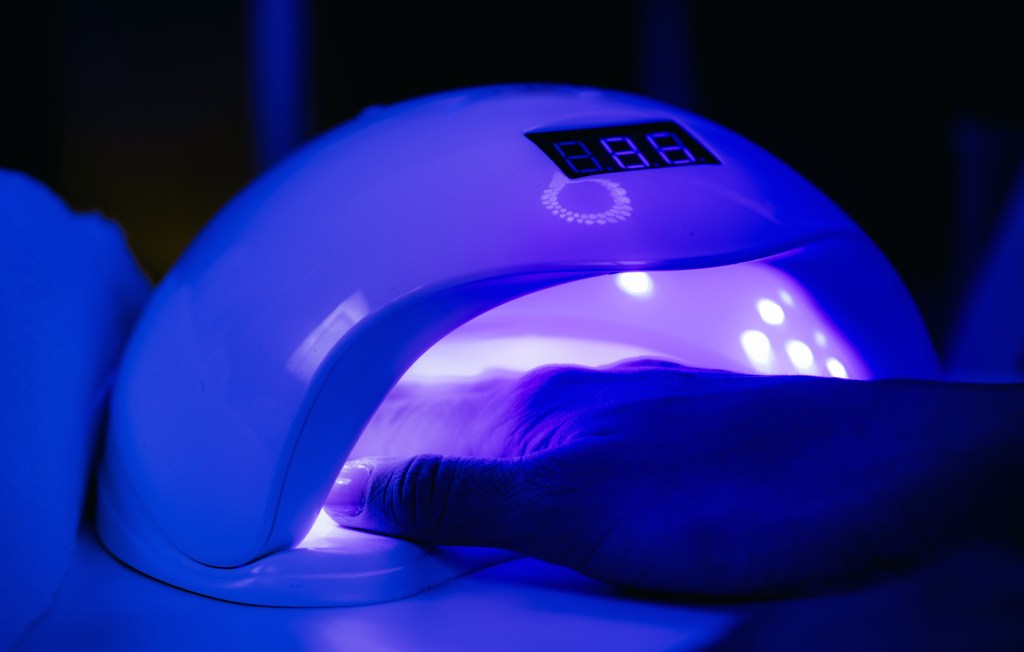
DNA is prone to damage by a plethora of sources from within (endogenous) and outside the cell (exogenous). Endogenous sources include oxidation, hydrolysis, alkylation, and can include routine cellular processes like immunoglobulin switch recombination and V(D)J recombination. Exogenous sources of DNA damage include exposure to ultraviolet and infrared radiation, and certain drugs like cisplatin, bleomycin and etoposide. Damaged DNA, if not promptly recognized and repaired, can result in accumulation of mutations and can lead to genomic instability. Loss of genomic integrity is a predisposition for several genetic disorders as well as cancer.
Fortunately, a variety of DNA repair mechanisms exist for the recognition and repair of such deleterious DNA damage. DNA repair mechanisms employ repair checkpoints and proteins in an effort to maintain genomic integrity. In the event of DNA damage, the cell typically generates a rapid damage response involving the recruitment and activation of DNA damage-specific repair proteins to the damage site. In a broad sense, single-strand break repair processes include base excision repair (BER), nucleotide excision repair (NER), mismatch repair (MMR) and direct reversal (DR), whereas double-strand break repair processes include homologous recombination (HR), microhomology-mediated end-joining (MMEJ), and non-homologous end-joining (NHEJ). Although these repair processes were previously characterized based on types of DNA damaging agents, we now know that DNA damaging agents typically cause several forms of damage, and that multiple DNA repair processes are recruited simultaneously following DNA damage.
 BLOG POSTS