Can we prevent cancer?
Surveys show that every ten years, the number of cancer cases increase by 25%. Agents that have the ability to cause cancer are called carcinogenic compounds. Since cancer is often classified mainly as a genetic disease, the general public do not typically link lifestyle choices with cancer. In reality, the accumulation of mutations over time in certain cancers can be linked to a certain known carcinogen. Unfortunately, in today’s way of living, we are constantly exposed to such carcinogenic compounds. Bad choices in lifestyle, diet, and product consumption can be major contributors of cancer. Hence, it is now more important than ever to ensure maintenance of minimum to no exposure to carcinogens.
Cancer prevention:
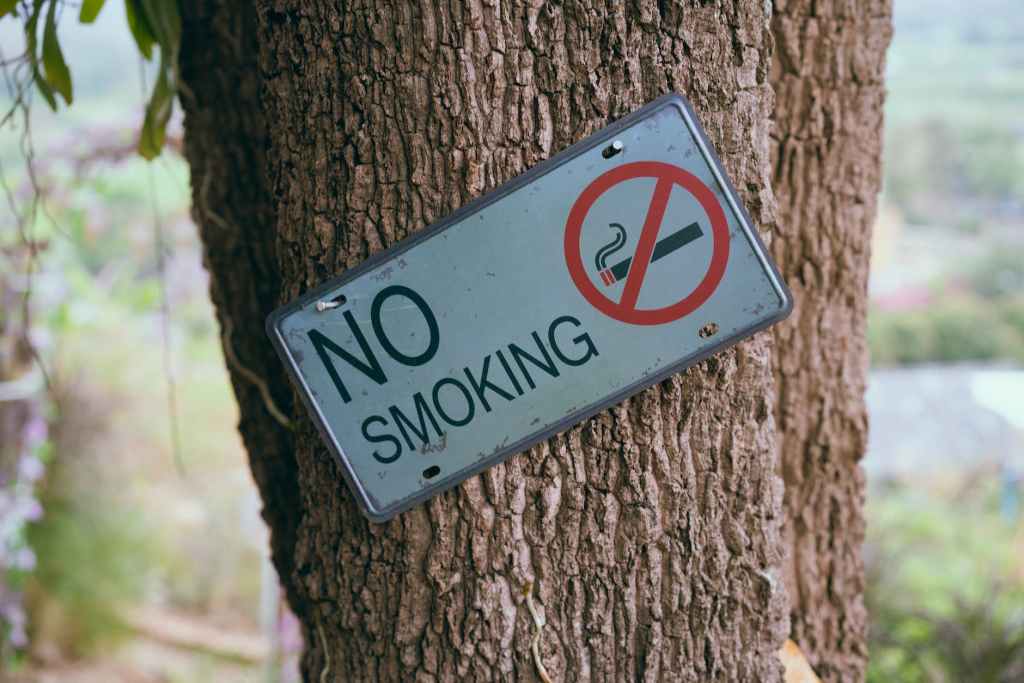
Carcinogens are all around us. While it can be impossible to completely prevent exposure to such agents, being mindful of them and avoiding them to the best of our abilities can help minimize the risk of developing fatal cancers. The choices we make with diet and lifestyle are crucial, since making the right ones can significantly reduce the risk of developing cancers. Cigarette smoking, tobacco, vaping, betel nut and alcohol consumption are well-known carcinogens. Avoid them at all costs (including passive smoking)! Lesser known carcinogens are discussed below.

Maintaining a healthy weight and preventing excessive weight gain in adult life is essential to reducing risk of developing cancers. A large number of individuals in the United States and across the world are obese. The National Cancer Institute links several cancers with obesity and excessive weight gain. Some of them include thyroid, breast, liver, gallbladder, upper stomach, pancreas, colon and rectum, ovary, endometrium, kidney, multiple myeloma, adenocarcinoma and even meningioma (of the brain)! Exercising regularly and keeping active is a healthy lifestyle choice.
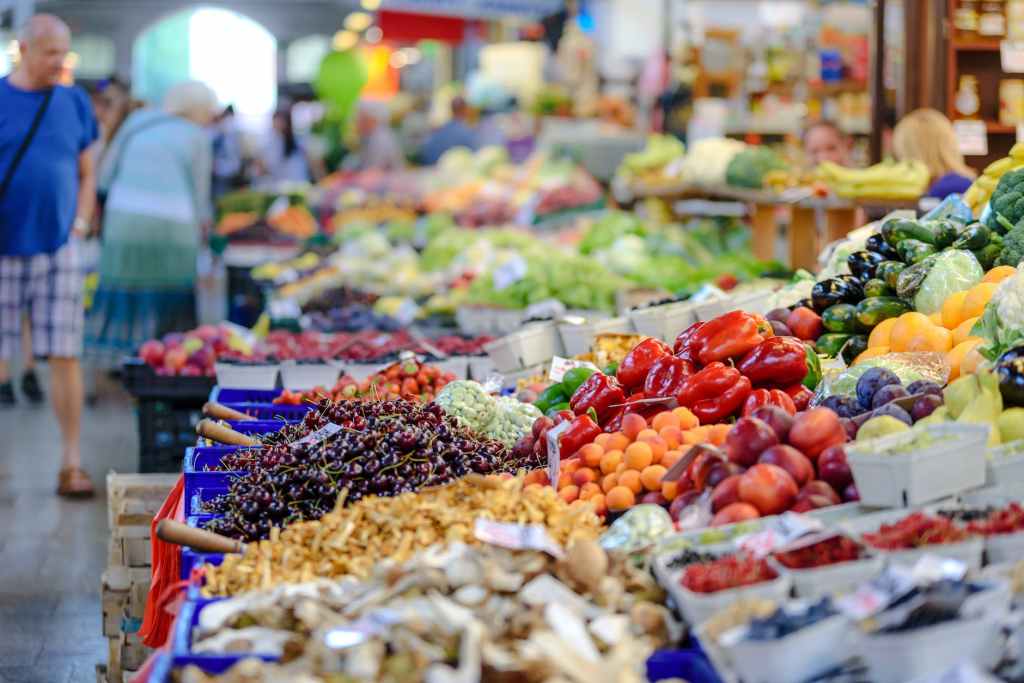
There is a vast body of research on the role of diet in cancer incidence and prevention. In general, maintaining a healthy diet rich in whole grains, vegetables, fruits, beans, and lentils (also known as a vegan diet) is recommended. Consumption of ‘fast-foods’, and other processed foods that are high in fats, and processed sugars have been linked to cancer. Besides containing several artificial chemicals including per- and polyfluoroalkyls (endocrine disruptors that alter reproductive function in men and women and increase risk of developing cancers of the skin and breast among others), and DEHP/DEHT phthalate plasticizers as key ingredients, fast-foods and other highly processed foods are calorically-dense making them key contributors to adult obesity. Consumption of red meats and processed meats have been linked to higher incidence and mortality rates in multiple cancers overall, specifically colorectal cancer. Consumption of artificial and sweetened beverages have been linked to increased mortality in colorectal and renal cancers. High-fat diets and diets rich in animal products and dairy products have been linked to increased risk of cancers overall. On the other hand, consumption of fruits and vegetables, high-fiber foods, vitamins C, K, D, calcium, flavonoids, lignans, green tea, phenols, etc., have been found to act as significant protective factors against risk of developing cancers. For instance, curcumin (also known as turmeric), has great anti-cancer properties. Curcumin is a potent HDAC1 inhibitor that leads to increased acetylation of H3 and p53, mediating tumor suppression. To know more about the role of turmeric in cancer prevention and therapy, read this post.
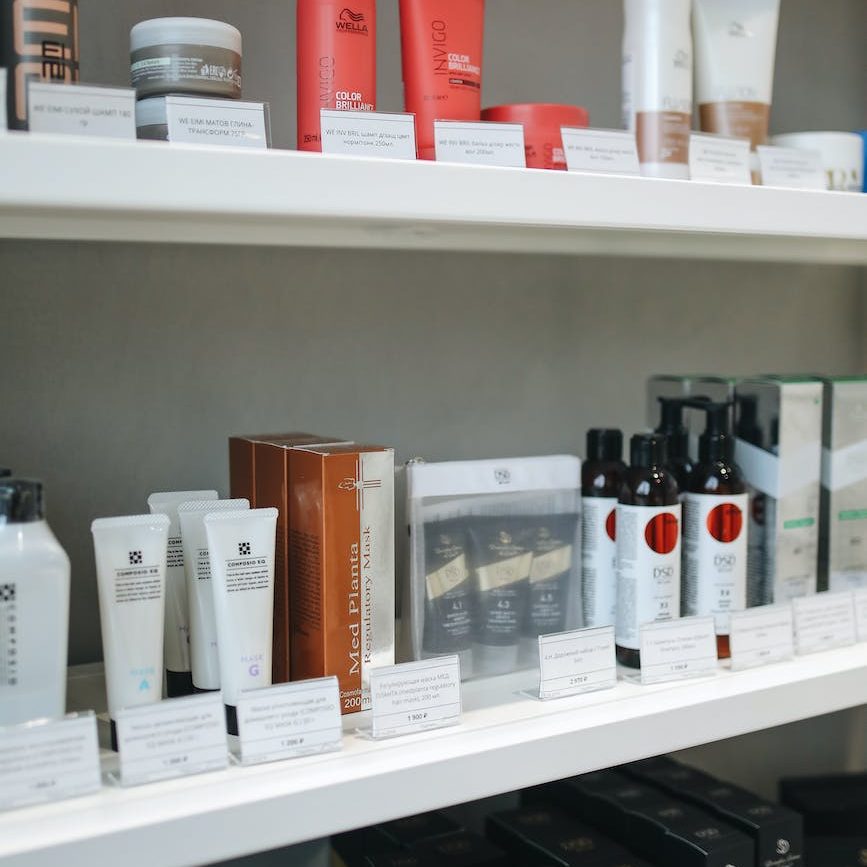
Several household, health, and beauty products have been recently found to contain endocrine disruptors. Some household products like laundry detergents, shower gels, dish soaps, and many personal care products that suds might contain an endocrine disruptor called 1,4-Dioxane that has been linked to cancer in several studies . Reading labels on such products and avoiding those with chemicals like PEGs, and formaldehyde is good practice. For example, phthalates are estrogen disruptors present in most beauty products that cause hormone imbalance and can lead to breast cancer. DNA damage from external sources like radiation- both ultraviolet and X-rays can be detrimental. Although we have DNA damage response pathways and DNA repair mechanisms set in place to maintain genome integrity, exposure to carcinogens can alter DNA repair signaling proteins and pathways, ultimately leading to increased cancer risk. So don’t forget to wear your sunscreen the next time you head out! Use of tanning beds and UV-lamps for nail care has been shown to cause non-melanoma skin cancers. Some hair straightening products and treatments contain formaldehyde which is another known carcinogen.
In summary, most cancers are causally linked to exposure to carcinogenic compounds. As discussed, some of these compounds are found in products that we consume on a daily basis. Stopping the consumption of such food/ products will help significantly reduce the risk of developing cancers.
 BLOG POSTS